
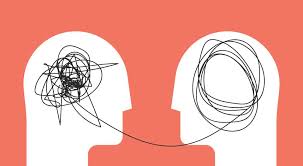
Nurturing Mental Health: A Guide to Well-Being
The Importance of Mental Health
Mental health is a vital component of our overall well-being, yet it is often overlooked or stigmatized in society. Our mental health encompasses our emotional, psychological, and social well-being and affects how we think, feel, and act. It influences how we handle stress, relate to others, and make choices in our daily lives.
Just as we prioritize our physical health by eating well and exercising, we must also prioritize our mental health by taking care of our emotional needs and seeking help when necessary. Mental health disorders can impact anyone regardless of age, gender, or background. It is essential to recognize the signs and symptoms of mental health issues and address them with compassion and understanding.
Seeking professional help from therapists, counselors, or psychiatrists is a crucial step in managing mental health concerns. Additionally, practicing self-care activities such as mindfulness meditation, exercise, journaling, or spending time with loved ones can contribute to a healthier mindset.
It’s important to remember that mental health is not a sign of weakness but a fundamental aspect of being human. By fostering open conversations about mental health and promoting support systems in our communities, we can break down the barriers that prevent individuals from seeking help.
Let us strive to create a world where mental health is valued and supported just as much as physical health. Together, we can cultivate a culture of empathy and understanding that embraces the importance of mental well-being for all.
7 Benefits of Prioritizing Mental Health for a Happier, More Resilient Life
- Improved overall well-being and quality of life
- Enhanced ability to cope with stress and challenges
- Stronger relationships and better communication skills
- Increased self-awareness and emotional intelligence
- Boosted productivity and performance in daily tasks
- Greater resilience in facing life’s ups and downs
- Promotion of a positive mindset and outlook on life
Challenges and Barriers in Addressing Mental Health Issues
- Stigma surrounding mental health issues can lead to discrimination and social isolation.
- Access to mental health services may be limited or unaffordable for many individuals.
- Mental health conditions can impact relationships with family, friends, and colleagues.
- Symptoms of mental illness can interfere with daily functioning and productivity.
- Misconceptions about mental health may prevent individuals from seeking help or treatment.
- Co-occurring physical health problems can exacerbate the challenges of managing mental health issues.
Improved overall well-being and quality of life
Enhancing mental health leads to improved overall well-being and a higher quality of life. When individuals prioritize their mental well-being, they experience greater emotional resilience, reduced stress levels, and improved coping mechanisms for life’s challenges. This positive mindset not only benefits their own mental state but also enhances their relationships, productivity, and sense of fulfillment in various aspects of life. By investing in mental health, individuals can enjoy a more balanced and satisfying existence, ultimately leading to a higher quality of life filled with joy and purpose.
Enhanced ability to cope with stress and challenges
An important benefit of prioritizing mental health is the enhanced ability to cope with stress and challenges. When we take proactive steps to care for our emotional well-being, such as practicing mindfulness or seeking therapy, we develop resilience and better coping mechanisms. This allows us to navigate life’s inevitable ups and downs with greater ease and adaptability, ultimately leading to a more balanced and fulfilling existence. By investing in our mental health, we equip ourselves with the tools needed to face adversity with strength and grace.
Stronger relationships and better communication skills
Strong mental health can lead to stronger relationships and improved communication skills. When individuals are in a good mental state, they are better equipped to empathize with others, express their thoughts and feelings effectively, and navigate conflicts constructively. By prioritizing mental well-being, individuals can cultivate deeper connections with loved ones, colleagues, and acquaintances, fostering a sense of trust, understanding, and mutual respect in their relationships. Improved communication skills resulting from good mental health can enhance interpersonal dynamics and contribute to healthier interactions both personally and professionally.
Increased self-awareness and emotional intelligence
Increased self-awareness and emotional intelligence are significant benefits of prioritizing mental health. By taking the time to reflect on our thoughts, feelings, and behaviors, we develop a deeper understanding of ourselves and our motivations. This heightened self-awareness allows us to recognize patterns in our emotions and responses, leading to better self-regulation and decision-making. Additionally, improved emotional intelligence enables us to empathize with others, navigate complex social interactions with greater ease, and build stronger relationships based on mutual understanding and respect. Investing in our mental health not only enhances our personal growth but also enriches our connections with those around us.
Boosted productivity and performance in daily tasks
Prioritizing mental health can lead to boosted productivity and performance in daily tasks. When individuals take care of their emotional well-being and manage stress effectively, they are better equipped to focus, make decisions, and engage in tasks with clarity and efficiency. A healthy mindset can enhance cognitive function, creativity, and problem-solving skills, ultimately improving overall performance in both personal and professional endeavors. By investing in mental health practices such as mindfulness, self-care, and seeking support when needed, individuals can optimize their productivity levels and achieve greater success in their daily responsibilities.
Greater resilience in facing life’s ups and downs
One significant benefit of prioritizing mental health is the development of greater resilience in facing life’s inevitable ups and downs. When individuals take proactive steps to care for their mental well-being, such as practicing mindfulness, seeking therapy, or engaging in self-care activities, they are better equipped to navigate challenges with a sense of strength and adaptability. Building resilience through mental health practices enables individuals to bounce back from setbacks, cope with stress more effectively, and maintain a positive outlook even in difficult circumstances. By investing in mental health, individuals can cultivate the inner resources needed to weather life’s storms with grace and perseverance.
Promotion of a positive mindset and outlook on life
Promoting mental health fosters a positive mindset and outlook on life by encouraging individuals to cultivate resilience, optimism, and self-compassion. When we prioritize our mental well-being, we are better equipped to navigate life’s challenges with a sense of hope and confidence. A healthy mind allows us to approach each day with a proactive attitude, seeking opportunities for growth and finding joy in the present moment. By nurturing a positive mindset through practices like gratitude, mindfulness, and self-care, we can enhance our overall quality of life and build a strong foundation for emotional well-being.
Stigma surrounding mental health issues can lead to discrimination and social isolation.
The stigma surrounding mental health issues can have detrimental effects, leading to discrimination and social isolation for individuals who are struggling. When society attaches negative stereotypes to mental health conditions, it creates barriers for those in need of support and understanding. This stigma can prevent individuals from seeking help, fearing judgment or rejection from others. As a result, people may feel isolated and misunderstood, exacerbating their mental health challenges. It is crucial to combat this stigma through education, empathy, and open dialogue to create a more inclusive and supportive environment for those facing mental health issues.
Access to mental health services may be limited or unaffordable for many individuals.
Access to mental health services may be a significant barrier for many individuals, as services may be limited or unaffordable. This lack of accessibility can prevent people from receiving the support and treatment they need to address their mental health concerns effectively. Without affordable and readily available services, individuals may struggle to access proper care, leading to untreated conditions and potential worsening of their mental well-being. Addressing the issue of affordability and availability of mental health services is crucial in ensuring that everyone has the opportunity to receive the care they deserve for their mental health needs.
Mental health conditions can impact relationships with family, friends, and colleagues.
Mental health conditions can significantly impact relationships with family, friends, and colleagues, creating challenges in communication, understanding, and support. Individuals struggling with mental health issues may find it difficult to express their needs or emotions effectively, leading to misunderstandings and strained interactions. This can result in feelings of isolation and distance from loved ones and coworkers who may not fully comprehend the complexities of mental health conditions. Building awareness and empathy within relationships is essential to navigating these challenges and fostering a supportive environment for those facing mental health struggles.
Symptoms of mental illness can interfere with daily functioning and productivity.
Symptoms of mental illness have the potential to significantly disrupt daily functioning and productivity. Whether it’s persistent feelings of sadness, overwhelming anxiety, or difficulty concentrating, these symptoms can make it challenging to focus on tasks, engage in social interactions, or meet responsibilities at work or home. The impact of mental health symptoms on one’s ability to function effectively in their daily life underscores the importance of seeking support and treatment to address these obstacles and improve overall well-being.
Misconceptions about mental health may prevent individuals from seeking help or treatment.
Misconceptions surrounding mental health can act as significant barriers, hindering individuals from seeking the help or treatment they may desperately need. Stigmatization and misinformation often lead to feelings of shame, fear, or embarrassment, causing many to suffer in silence rather than reaching out for support. By dispelling these misconceptions and promoting a culture of understanding and acceptance, we can empower individuals to prioritize their mental well-being and access the necessary resources for healing and recovery.
Co-occurring physical health problems can exacerbate the challenges of managing mental health issues.
When individuals experience co-occurring physical health problems alongside mental health issues, the complexity of managing their well-being is heightened. The interplay between physical and mental health can create additional hurdles in treatment and recovery processes. Physical ailments may impact one’s mental state, leading to increased stress, anxiety, or depression. Likewise, mental health conditions can sometimes manifest in physical symptoms, further complicating diagnosis and treatment. Addressing both aspects of health simultaneously is crucial to achieving holistic wellness and improving overall quality of life for individuals facing these challenges.


-
Tagged chicago food fest, community and culture, culinary extravaganza, culinary heritage, deep-dish pizzas