
Navigating Cultural Differences: Embracing the Richness of Culture
The Beauty of Cultural Differences
Culture is a powerful force that shapes our identities, beliefs, and behaviors. It encompasses the customs, traditions, arts, and social institutions that define a group of people. Cultural differences can be seen in various aspects such as language, cuisine, values, and social norms.
One of the most fascinating aspects of culture is how it influences our perspectives and interactions with the world. Different cultures have unique ways of expressing emotions, solving problems, and forming relationships. For example, in some cultures, direct communication is valued while in others, indirect communication is preferred.
These cultural differences can sometimes lead to misunderstandings or conflicts when people from different backgrounds interact. However, they also offer us an opportunity to learn from one another and broaden our horizons. By embracing cultural diversity, we can gain new insights, challenge our assumptions, and foster mutual respect.
Exploring other cultures allows us to appreciate the richness and beauty of human creativity. From traditional dances and music to culinary delights and architectural marvels, each culture contributes something unique to the tapestry of human civilization. By celebrating cultural differences, we can create a more inclusive and harmonious society.
In today’s interconnected world, understanding and respecting cultural diversity is more important than ever. By valuing each other’s heritage and traditions, we can build bridges across divides and promote cross-cultural understanding. Let us embrace the beauty of cultural differences as a source of unity rather than division.
Understanding Culture: Key Questions and Insights on Cultural Differences
- What is culture and why is it important?
- How do cultural differences impact communication?
- What are some common cultural customs and traditions?
- How can one show respect for different cultures?
- What are the benefits of embracing cultural diversity?
What is culture and why is it important?
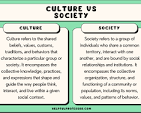
Culture encompasses the shared beliefs, values, customs, traditions, and behaviors of a particular group of people. It serves as a lens through which individuals perceive the world and interact with one another. Culture is important because it shapes our identities, influences our perspectives, and guides our actions. By understanding different cultures, we can gain insights into diverse ways of life, foster empathy and respect for others, and promote cross-cultural communication and cooperation. Embracing cultural diversity enriches our societies by celebrating the unique contributions of each group and creating a more inclusive and harmonious global community.
How do cultural differences impact communication?
Cultural differences have a significant impact on communication by influencing how individuals interpret and convey messages. Variations in language, nonverbal cues, and communication styles can lead to misunderstandings or misinterpretations between people from different cultural backgrounds. For instance, what may be considered respectful eye contact in one culture could be seen as confrontational in another. Understanding these nuances is crucial in effective cross-cultural communication, as it helps build trust, avoid conflicts, and foster meaningful connections despite the diverse ways in which people express themselves.
What are some common cultural customs and traditions?
Common cultural customs and traditions vary widely across different societies and regions, reflecting the rich tapestry of human heritage. Some prevalent customs include greeting rituals, such as handshakes, bows, or kisses, which vary in formality and meaning. Festivals and celebrations play a significant role in many cultures, showcasing unique music, dance, clothing, and cuisine. Family structures and values also shape cultural customs, influencing practices related to marriage, child-rearing, and social interactions. Additionally, religious ceremonies, rites of passage, and etiquette around dining are integral parts of many cultural traditions. These customs not only provide a sense of identity and belonging but also serve as a means of passing down heritage from generation to generation.
How can one show respect for different cultures?
Showing respect for different cultures involves recognizing and valuing the diversity of traditions, beliefs, and practices that exist across various communities. One way to demonstrate respect for different cultures is by approaching them with an open mind and a willingness to learn. This can involve actively listening to the perspectives of individuals from different cultural backgrounds, engaging in meaningful dialogue to understand their experiences, and refraining from making assumptions or judgments based on stereotypes. Additionally, showing respect for different cultures can also involve participating in cultural events, festivals, or activities to appreciate and celebrate the richness of diversity. Ultimately, respecting different cultures requires empathy, curiosity, and a genuine desire to foster mutual understanding and acceptance among all people.
What are the benefits of embracing cultural diversity?
Embracing cultural diversity brings a multitude of benefits to individuals and society as a whole. By welcoming different perspectives, traditions, and ways of life, we open ourselves up to a world of learning and growth. Cultural diversity fosters creativity, innovation, and problem-solving by encouraging the exchange of ideas from various backgrounds. It promotes tolerance, empathy, and respect for others, leading to more harmonious relationships and communities. Embracing cultural diversity also enriches our lives by exposing us to new experiences, foods, art forms, and languages that broaden our horizons and deepen our understanding of the world. Ultimately, embracing cultural diversity not only enhances individual lives but also contributes to building a more inclusive and interconnected global society.


-
Tagged attention spans, breaks, communication, currency, digital world