
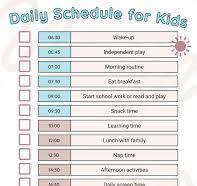
Mastering Your Day Schedule for Optimal Productivity and Balance
The Importance of a Well-Structured Day Schedule
Having a well-structured day schedule is essential for maintaining productivity, reducing stress, and achieving a sense of balance in our lives. Whether you’re a student, a professional, or someone managing a household, how you plan and organize your day can greatly impact your overall well-being. Here are some reasons why a structured day schedule is beneficial:
Time Management
A day schedule helps you allocate time efficiently to different tasks and activities. By setting specific time slots for work, exercise, meals, relaxation, and other responsibilities, you can make the most out of your day and avoid wasting time on unproductive activities.
Increased Productivity
When you have a clear plan for the day ahead, you are more likely to stay focused and accomplish tasks in a timely manner. A structured schedule eliminates indecision and procrastination by providing a roadmap for what needs to be done throughout the day.
Stress Reduction
Knowing what to expect from your day can help reduce feelings of overwhelm and anxiety. By breaking down your tasks into manageable chunks and scheduling regular breaks, you can create a sense of control over your daily routine and minimize stress levels.
Work-Life Balance
A well-structured day schedule allows you to prioritize both work commitments and personal activities. By incorporating time for self-care, hobbies, social interactions, and relaxation into your daily routine, you can achieve a better balance between professional responsibilities and personal well-being.
Improved Focus and Concentration
Following a consistent day schedule can train your brain to focus better on tasks at hand. By establishing routines for specific activities at set times each day, you can enhance your concentration levels and optimize your cognitive performance.
In conclusion, creating and following a structured day schedule is key to maximizing productivity, reducing stress, maintaining work-life balance, and enhancing overall well-being. Whether through digital calendars, planners, or simple to-do lists, finding a scheduling method that works for you can significantly improve how you manage your time and energy on a daily basis.
5 Benefits of a Day Schedule: Boosting Productivity and Reducing Stress
- Improved time management
- Enhanced productivity
- Reduced stress levels
- Better work-life balance
- Increased focus and concentration
Drawbacks of a Strict Day Schedule: Flexibility, Guilt, and Burnout
- Rigid schedules can limit flexibility and spontaneity in responding to unexpected events or opportunities that may arise during the day.
- Over-reliance on a strict day schedule may lead to feelings of guilt or self-criticism when unable to adhere to planned activities due to unforeseen circumstances.
- Constantly adhering to a structured day schedule without room for relaxation or downtime can result in burnout and mental fatigue.
Improved time management
Improved time management is a significant advantage of having a structured day schedule. By allocating specific time slots for various tasks and activities, individuals can prioritize their responsibilities effectively and ensure that each task receives the attention it deserves. A well-organized schedule helps individuals avoid wasting time on unproductive activities and enables them to make the most out of their day by focusing on essential tasks in a systematic manner. This enhanced time management not only increases productivity but also reduces stress levels by providing a clear roadmap for accomplishing daily goals efficiently.
Enhanced productivity
Having a well-structured day schedule leads to enhanced productivity by providing a clear roadmap of tasks and activities to be accomplished. By allocating specific time slots for each task, individuals can focus their energy and attention on completing them efficiently. This sense of direction and organization minimizes distractions and procrastination, allowing for a more productive use of time throughout the day. Additionally, knowing what needs to be done next helps individuals stay on track and maintain momentum, resulting in increased output and a greater sense of accomplishment.
Reduced stress levels
Having a well-structured day schedule can significantly contribute to reducing stress levels. By organizing your tasks and activities into manageable time blocks, you create a sense of control and predictability in your day. Knowing what to expect and having a plan in place can alleviate feelings of overwhelm and anxiety, allowing you to approach each task with a calmer mindset. Additionally, scheduling regular breaks and incorporating moments of relaxation or self-care into your day can help recharge your energy levels and prevent burnout, ultimately leading to a more balanced and stress-free lifestyle.
Better work-life balance
A well-structured day schedule plays a crucial role in achieving a better work-life balance. By consciously allocating time for work tasks, personal activities, and self-care routines, individuals can ensure that they prioritize both professional responsibilities and personal well-being. This balance allows for dedicated periods of focused work as well as adequate time for relaxation, social interactions, hobbies, and other activities that contribute to overall happiness and fulfillment. Embracing a structured day schedule empowers individuals to create boundaries between work and personal life, leading to increased satisfaction, reduced stress levels, and a healthier lifestyle overall.
Increased focus and concentration
Having a well-structured day schedule leads to increased focus and concentration. When you allocate specific time slots for tasks and activities, your mind knows what to prioritize, allowing you to dive deep into each task without distractions. By following a consistent routine, your brain becomes accustomed to focusing on the present moment, leading to improved concentration levels and enhanced productivity throughout the day.
Rigid schedules can limit flexibility and spontaneity in responding to unexpected events or opportunities that may arise during the day.
One drawback of a structured day schedule is that rigid adherence to predetermined time slots can restrict flexibility and spontaneity in handling unexpected events or seizing new opportunities that may present themselves throughout the day. When every minute is planned out, there is little room for impromptu activities or last-minute changes, potentially causing feelings of frustration or missed chances for growth and exploration. Balancing the benefits of a structured schedule with the need for adaptability is crucial to ensure that one can effectively navigate both planned tasks and unforeseen circumstances in a dynamic environment.
Over-reliance on a strict day schedule may lead to feelings of guilt or self-criticism when unable to adhere to planned activities due to unforeseen circumstances.
An over-reliance on a strict day schedule can sometimes result in feelings of guilt or self-criticism when individuals are unable to adhere to their planned activities due to unforeseen circumstances. This rigidity in scheduling may create unrealistic expectations and a sense of failure when disruptions occur, leading to added stress and negative self-perception. It’s important to remember that flexibility is key in navigating the unpredictability of life, and allowing room for adjustments in our schedules can help alleviate the pressure of constant adherence to a rigid routine.
Constantly adhering to a structured day schedule without room for relaxation or downtime can result in burnout and mental fatigue.
Constantly adhering to a structured day schedule without room for relaxation or downtime can result in burnout and mental fatigue. While having a well-organized routine is beneficial, overloading your day with back-to-back tasks and obligations can lead to exhaustion and decreased productivity. It’s important to strike a balance between productivity and self-care by allowing yourself time to rest, recharge, and engage in activities that promote relaxation. Ignoring the need for breaks and downtime can ultimately hinder your overall well-being and effectiveness in the long run.


-
Tagged action-packed excitement, athleticism, becky lynch, drama, john cena