
Master Your Schedule: Embracing the Power of a Full Calendar for Effective Time Management
The Importance of Using a Full Calendar for Effective Time Management
In today’s fast-paced world, managing our time efficiently is crucial to achieving our goals and maintaining a healthy work-life balance. One effective tool that can help us stay organized and on track is a full calendar.
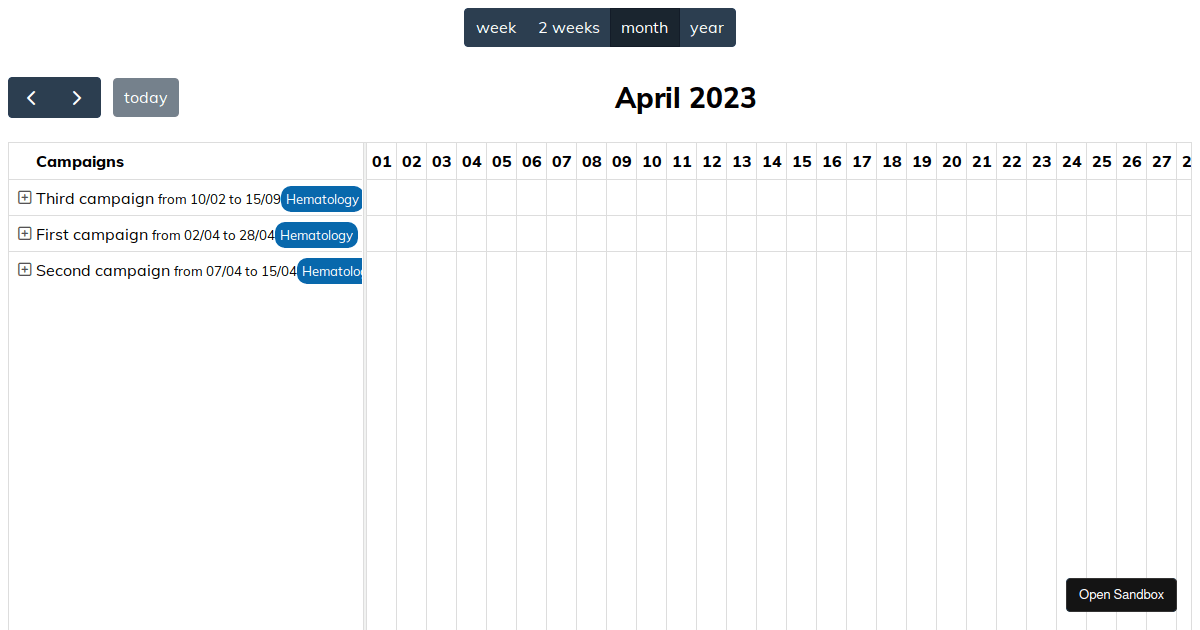
A full calendar provides a visual representation of our schedule, allowing us to see all our appointments, deadlines, and tasks at a glance. By using a full calendar, we can effectively plan our days, weeks, and months ahead, ensuring that we allocate time for important activities and avoid overcommitting ourselves.
Furthermore, a full calendar helps us prioritize tasks based on their urgency and importance. By scheduling tasks on specific dates and times, we can ensure that essential activities are completed on time while making room for leisure activities and self-care.
Another benefit of using a full calendar is the ability to identify potential conflicts or gaps in our schedule. By visualizing our commitments in one place, we can easily spot overlapping appointments or free slots that can be utilized for additional tasks or relaxation.
Overall, incorporating a full calendar into our daily routine can significantly improve our time management skills and productivity. Whether it’s using a digital calendar app or a traditional paper planner, finding the right tool that works for you is key to maximizing your efficiency and achieving your goals.
Understanding and Maximizing the Use of a Full Calendar: FAQs and Tips
- What is a full calendar?
- How can a full calendar help with time management?
- What are the benefits of using a full calendar?
- What features should I look for in a full calendar app?
- How do I effectively schedule and organize my tasks using a full calendar?
- Are there any tips for maximizing the use of a full calendar?
What is a full calendar?
A full calendar is a comprehensive scheduling tool that provides a visual representation of one’s appointments, deadlines, and tasks across a specified timeframe. It offers a complete overview of one’s schedule, allowing for effective planning and organization of daily, weekly, and monthly activities. By utilizing a full calendar, individuals can better manage their time, prioritize tasks, and avoid conflicts in their schedule. Whether in digital or traditional format, a full calendar serves as a valuable resource for enhancing time management skills and optimizing productivity.
How can a full calendar help with time management?
A full calendar can be a powerful tool for enhancing time management by providing a visual overview of one’s schedule. It allows individuals to plan and organize their days effectively, ensuring that important tasks are prioritized and allocated appropriate time slots. By utilizing a full calendar, individuals can better manage their commitments, avoid overbooking themselves, and identify opportunities for optimizing their daily routines. The visual representation offered by a full calendar helps users stay on track, meet deadlines, and maintain a healthy work-life balance through efficient scheduling and task prioritization.
What are the benefits of using a full calendar?
Using a full calendar offers a multitude of benefits for effective time management and organization. One key advantage is the ability to visually map out your schedule, allowing you to see all your commitments and tasks in one place. This visual representation helps in prioritizing activities, avoiding conflicts, and ensuring that important deadlines are met. Additionally, a full calendar promotes better planning by enabling you to allocate time for work, personal activities, and relaxation. By utilizing a full calendar, individuals can enhance their productivity, reduce stress levels, and maintain a healthy work-life balance.
What features should I look for in a full calendar app?
When considering a full calendar app, there are several key features to look for to ensure optimal organization and efficiency. Firstly, the app should offer customizable views such as daily, weekly, and monthly layouts to accommodate different planning preferences. Additionally, integration with other calendars and scheduling tools can streamline the syncing of events across platforms. Reminders and notifications functionality is essential to keep users informed of upcoming events and deadlines. A user-friendly interface with easy navigation and drag-and-drop capabilities can enhance the overall user experience. Lastly, advanced features like color-coding, task categorization, and sharing options can further enhance productivity and collaboration within the app.
How do I effectively schedule and organize my tasks using a full calendar?
When it comes to effectively scheduling and organizing tasks using a full calendar, there are several key strategies to keep in mind. First and foremost, it’s essential to start by inputting all your tasks, appointments, and deadlines into the calendar. Assign specific dates and times to each task based on their priority and estimated duration. Utilize color-coding or different categories to distinguish between work-related tasks, personal commitments, and leisure activities. Regularly review and update your calendar to accommodate any changes or new tasks that may arise. Additionally, consider setting reminders or alarms for important deadlines to ensure you stay on track. By following these steps and maintaining a consistent scheduling routine, you can effectively manage your tasks and maximize your productivity using a full calendar.
Are there any tips for maximizing the use of a full calendar?
When it comes to maximizing the use of a full calendar, there are several tips that can help enhance your time management skills and productivity. Firstly, it’s essential to regularly update your calendar with new appointments, deadlines, and tasks to ensure its accuracy. Additionally, color-coding different types of activities can provide visual cues and help prioritize tasks effectively. Setting reminders for important events and allocating buffer time between appointments can also prevent overbooking and reduce stress. Lastly, taking the time to review your calendar daily and planning ahead can aid in staying organized and making the most of your schedule. By incorporating these tips into your routine, you can optimize the use of your full calendar for improved efficiency and effectiveness.


-
Tagged art form, burlesque, burlesque chicago, cabaret venues, chicago