
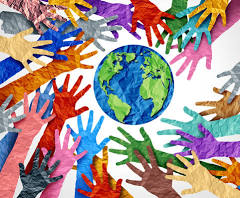
Navigating Cultural Differences: Embracing Diversity in a Global Society
The Beauty of Cultural Differences
One of the most fascinating aspects of our world is the rich tapestry of cultures that exist within it. From the food we eat to the way we communicate, cultural differences shape our identities and influence our interactions with others. Embracing these differences can lead to a deeper understanding and appreciation of the diverse world we live in.
One striking example of cultural differences is in greetings. While a handshake may be common in one culture, a bow or a kiss on the cheek may be customary in another. These variations highlight the unique ways in which people express respect and build connections with one another.
Cuisine is another area where cultural differences shine. The spices used, cooking methods employed, and even the significance of certain dishes can vary greatly from one culture to another. Exploring different cuisines allows us to not only tantalize our taste buds but also gain insight into the traditions and values that shape a community.
Language is perhaps one of the most obvious markers of cultural diversity. The words we use, idioms we employ, and even non-verbal communication cues differ across cultures. Learning a new language opens doors to new ways of thinking and fosters empathy towards those who communicate differently from us.
Art, music, dance, and literature also reflect cultural nuances. Each culture has its own artistic expressions that convey its history, beliefs, and emotions. By immersing ourselves in diverse forms of art, we can broaden our perspectives and develop a deeper appreciation for the creativity that stems from different cultural backgrounds.
In conclusion, cultural differences are not barriers to be overcome but rather bridges to be crossed. They enrich our lives, broaden our horizons, and remind us of the beauty that lies in diversity. By embracing and celebrating these differences, we can create a more inclusive and harmonious world for all.
Understanding and Embracing Cultural Differences: Answers to Common Questions
- What are cultural differences?
- Why is it important to understand cultural differences?
- How do cultural differences impact communication?
- What are some examples of cultural differences in greetings?
- How does cuisine vary across different cultures?
- In what ways do language differences reflect cultural diversity?
- How does art differ among various cultures?
- What are the benefits of embracing and celebrating cultural differences?
What are cultural differences?
Cultural differences refer to the distinct customs, traditions, beliefs, values, and behaviors that exist among different groups of people. These differences are shaped by a variety of factors such as history, geography, religion, language, and social norms. They influence how individuals perceive the world around them, interact with others, and make sense of their experiences. Embracing and understanding cultural differences is essential for fostering mutual respect, empathy, and cooperation among diverse communities. By recognizing and appreciating the uniqueness of each culture, we can build bridges of understanding that transcend boundaries and promote harmony in our increasingly interconnected world.
Why is it important to understand cultural differences?
Understanding cultural differences is crucial because it allows individuals to navigate a diverse and interconnected world with empathy, respect, and openness. By recognizing and appreciating the unique customs, beliefs, and values of different cultures, we can foster meaningful relationships, avoid misunderstandings, and build bridges across communities. Embracing cultural differences also promotes tolerance, acceptance, and inclusivity, ultimately leading to a more harmonious and interconnected global society where diversity is celebrated as a source of strength and enrichment.
How do cultural differences impact communication?
Cultural differences play a significant role in shaping communication dynamics. From non-verbal cues and gestures to language nuances and communication styles, these variations can greatly impact how messages are perceived and understood across different cultures. Misinterpretations or misunderstandings often arise when individuals from diverse cultural backgrounds communicate, highlighting the importance of being aware and respectful of these differences. By recognizing and adapting to cultural nuances in communication, individuals can foster better understanding, build stronger relationships, and navigate intercultural interactions with sensitivity and effectiveness.
What are some examples of cultural differences in greetings?
Cultural differences in greetings offer a fascinating glimpse into the diverse ways people express respect and build connections around the world. For instance, while a firm handshake is a common greeting in many Western cultures, a bow or a respectful nod may be preferred in Asian countries like Japan. In some Middle Eastern cultures, greetings often involve multiple kisses on the cheek, while in certain African societies, handshakes may be prolonged as a sign of warmth and hospitality. These variations in greeting customs not only showcase the richness of cultural diversity but also highlight the importance of understanding and respecting different practices when interacting with individuals from various backgrounds.
How does cuisine vary across different cultures?
Cuisine varies significantly across different cultures, reflecting a blend of history, geography, climate, and traditions unique to each society. From the aromatic spices of Indian curries to the delicate flavors of Japanese sushi, each culture’s culinary practices showcase a distinct set of ingredients, cooking techniques, and dining customs. The diversity in cuisine is not only evident in the taste and presentation of dishes but also in the social significance attached to food. Whether it’s a communal feast in Mediterranean cultures or a tea ceremony in East Asia, food serves as a means of celebration, connection, and storytelling that transcends language barriers and unites people across the globe.
In what ways do language differences reflect cultural diversity?
Language differences serve as a powerful reflection of cultural diversity in numerous ways. From vocabulary and grammar structures to idiomatic expressions and linguistic nuances, each language embodies the unique heritage, values, and social norms of its speakers. The words chosen to describe certain concepts, the presence of specific terms for cultural practices, and even the ways in which politeness or respect are conveyed all illustrate the intricacies of a culture. Language not only shapes how we communicate but also influences our perceptions, beliefs, and interactions with others. By examining language differences across cultures, we gain valuable insights into the rich tapestry of human experiences and the diverse ways in which societies express themselves.
How does art differ among various cultures?
Art serves as a powerful reflection of the unique cultural identities and traditions found across the globe. From the vibrant colors of Indian rangoli designs to the intricate geometric patterns of Islamic art, each culture’s artistic expression is a window into its history, beliefs, and values. While some cultures prioritize realism and detailed craftsmanship in their artwork, others may focus on abstract forms or symbolic representations. The materials used, techniques employed, and themes explored in art vary widely from culture to culture, showcasing the diverse ways in which human creativity manifests itself. Through art, we not only witness the beauty of cultural differences but also gain insight into the rich tapestry of narratives that shape our world.
What are the benefits of embracing and celebrating cultural differences?
Embracing and celebrating cultural differences offer a myriad of benefits that enrich our lives and communities. By welcoming diverse perspectives, we gain a deeper understanding of the world around us, fostering empathy and tolerance for those with backgrounds different from our own. Through cultural exchange, we expand our knowledge, broaden our horizons, and challenge our preconceived notions, leading to personal growth and development. Embracing cultural differences also promotes creativity and innovation by exposing us to new ideas and ways of thinking. Ultimately, embracing and celebrating cultural differences not only strengthens bonds between individuals but also builds more inclusive and harmonious societies where every voice is valued and respected.


-
Tagged beach-inspired accents, coconut shells, colorful decor, delicious bites, exotic cocktails