
Urban Culture: The Living Story of the City
Urban Culture: The Living Story of the City
Urban culture is more than a collection of trends, neighborhoods, and nightlife. It is the everyday expression of people living together in a city: the music they make, the food they share, the art they create, and the ways they shape their surroundings. Each city has its own character, formed by generations of residents and continually renewed by the people who call it home.
A Mosaic of People and Traditions
Cities bring people with different backgrounds, languages, and traditions into close contact. That mix can be heard in local music, seen in neighborhood festivals, and tasted in restaurants and family-owned shops. Cultural traditions may change as they are shared and adapted, creating new forms of expression that feel distinctly urban.
This diversity is not just part of a city’s identity; it is one of its greatest sources of creativity. A conversation between cultures can inspire new ideas, new businesses, and new ways of seeing familiar places.
Public Spaces as Cultural Stages
Urban culture often thrives in shared spaces. Parks, sidewalks, plazas, libraries, community centers, and public transit are places where people meet and daily life unfolds. A neighborhood block party, an outdoor concert, or a mural painted on a busy street can turn an ordinary setting into a gathering place.
These spaces also influence who gets to participate in city life. Welcoming, accessible public areas give residents more opportunities to connect, celebrate, and express themselves. When communities have a voice in how those spaces are designed and maintained, they can better reflect local needs and histories.
Art That Belongs to the Streets
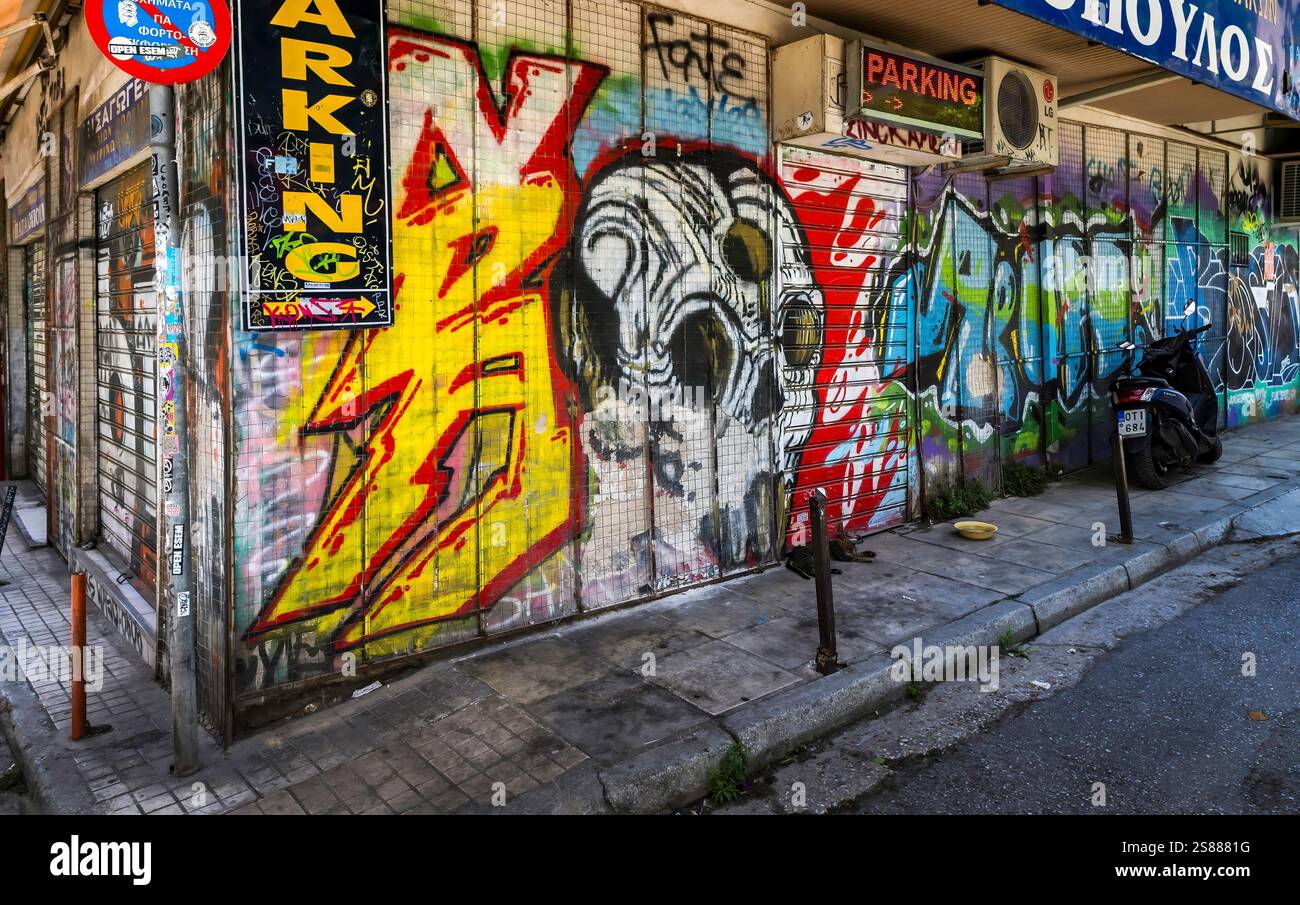
From murals and dance performances to independent galleries and pop-up shows, art is woven into the urban landscape. It can make a neighborhood more vibrant, preserve community stories, or draw attention to issues that deserve public discussion. Street art, in particular, can reach people who might never visit a museum or gallery.
At its best, urban art invites people to look more closely at the places they pass every day. It can honor local history, challenge assumptions, and make room for voices that are often overlooked.
Culture, Change, and Belonging
Cities are always changing, and cultural change can bring both opportunity and uncertainty. New development may create jobs and improve infrastructure, but it can also raise housing costs and put pressure on long-standing businesses and communities. Preserving cultural life means more than saving historic buildings. It also means supporting the residents, artists, and small businesses that give neighborhoods their character.
Belonging grows when people can take part in shaping their communities and see their experiences represented. That requires listening to residents, investing in local organizations, and making cultural events accessible to people across income levels and age groups.
The City We Create Together
Urban culture is not a finished product. It is created every day—in neighborhood kitchens, on public stages, in local shops, and through the small acts of connection that bring people together. Every resident contributes to the story of a city, whether by sharing a tradition, supporting a local artist, or helping make a public space more welcoming.
When cities make room for many voices, their culture becomes richer and more resilient. The result is not one single story, but a living collection of experiences that continues to grow with the people who shape it.
7 Ways to Explore and Embrace Urban Culture
- Explore local neighborhoods on foot.
- Support independent shops and artists.
- Try street food from local vendors.
- Attend community festivals and events.
- Use public transit to discover the city.
- Respect local customs and shared spaces.
- Look for murals, music, and public art.
Explore local neighborhoods on foot.
Explore local neighborhoods on foot to experience urban culture at its own pace. Walking lets you notice details that are easy to miss from a car or bus, from colorful murals and historic architecture to corner cafés, small shops, and community gardens. Stop to sample a local favorite, browse a market, or chat with a shop owner, and you’ll gain a more personal sense of the people and traditions that make each neighborhood unique.
Support independent shops and artists.
Supporting independent shops and artists helps keep urban culture vibrant and distinctive. Local bookstores, cafés, galleries, makers, and musicians bring character to neighborhoods and give residents places to connect and discover something new. Choosing a locally owned business, buying art directly from its creator, or attending a neighborhood performance can also help creative people thrive. These small choices strengthen the local economy and preserve the unique voices that make each city feel like home.
Try street food from local vendors.
Trying street food from local vendors is a delicious way to experience urban culture. From family recipes passed down through generations to inventive dishes inspired by the city’s many communities, each bite can tell a story about the people and traditions that shape a neighborhood. Visit a busy food cart, market stall, or neighborhood festival, and take time to chat with the vendor—you may discover a local favorite and learn what makes it special.
Attend community festivals and events.
Attending community festivals and events is a great way to experience urban culture firsthand. From neighborhood street fairs and cultural celebrations to live music and local art shows, these gatherings bring people together and showcase the traditions, creativity, and flavors that make a city unique. You can discover new artists and foods, learn about your neighbors’ stories, and support local organizations—all while building a stronger connection to the community.
Use public transit to discover the city.
Use public transit to discover the city beyond the places you already know. A bus or train ride can take you through distinct neighborhoods, past local landmarks, and into cafés, markets, parks, and cultural spaces you might otherwise miss. Check the route, leave time to explore, and be respectful of the people who live and work along the way. Each stop offers a chance to experience the city from a new perspective.
Respect local customs and shared spaces.
Respecting local customs and shared spaces is a simple way to help urban communities thrive. Learn the norms of the neighborhood, be considerate of residents, and treat parks, sidewalks, transit, and community spaces with care. Small actions—like keeping noise at a reasonable level, cleaning up after yourself, and following posted guidelines—help make city life more welcoming for everyone.
Look for murals, music, and public art.
Look for murals, music, and public art to experience the creativity woven into everyday city life. A colorful wall may tell a neighborhood’s history, while a street musician or outdoor performance can reveal the sounds and energy of the community. Take time to explore, notice who and what the artwork represents, and support local artists when you can.


-
Tagged 2023, chicago, chicago culture, chicago food scene, city of chicago official event details