
How a Community Space Brings Neighbors Together
Why Community Spaces Matter
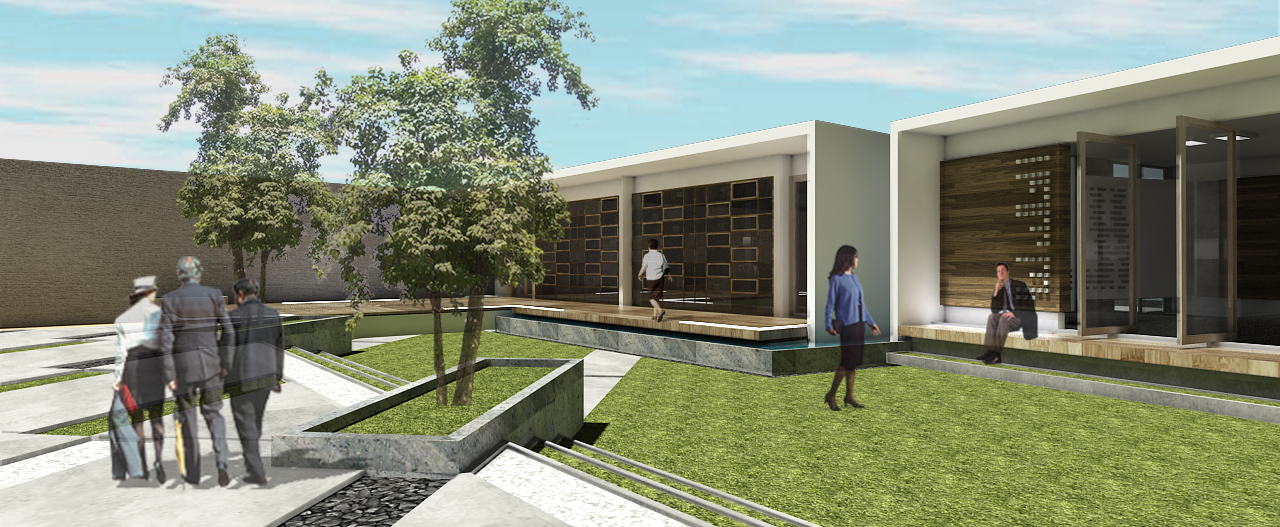
A community space is more than a place to gather. It can be a park, library, community garden, neighborhood center, café, or shared room where people meet, exchange ideas, and build connections. These places help turn a collection of neighbors into a community.
A Place to Connect
Everyday life can leave little room for meeting people outside work, school, or home. A welcoming community space creates opportunities for neighbors of different ages and backgrounds to spend time together. A conversation at a local event or a shared table at a neighborhood gathering can lead to new friendships, partnerships, and a stronger sense of belonging.
These connections matter. When people know one another, they are more likely to share information, support local efforts, and work together to address common concerns. A community space can help make those relationships possible.
Room for Ideas and Activities
Community spaces can support a wide range of activities, from workshops and performances to meetings, classes, and celebrations. They may offer a quiet place to read, a venue for local artists, or space for residents to organize around an issue that matters to them.
The best spaces reflect the needs and interests of the people who use them. That might mean accessible entrances, flexible seating, reliable internet, outdoor areas, or programming that welcomes families and older adults. Listening to residents is an important first step in creating a space that feels useful and inviting.
Making Space Welcoming
A community space should make people feel that they belong. Clear information, affordable or free activities, convenient hours, and thoughtful accessibility can help remove barriers to participation. So can simple gestures: greeting visitors, inviting new ideas, and making room for people who may not have taken part before.
Inclusivity takes ongoing effort. Communities are diverse, and no single design or program will serve everyone equally. Regular conversations with users can help organizers understand what is working, what is missing, and how the space can improve.
Building a Stronger Neighborhood
A thriving community space does not need to be elaborate. It needs to be cared for, easy to access, and shaped by the people it serves. With shared effort—from neighbors, local organizations, artists, businesses, and public agencies—a modest space can become an important neighborhood resource.
When people have a place to meet, create, learn, and listen, they can build more than programs or events. They can build trust and a stronger sense of community, one gathering at a time.
9 Tips for Creating a Welcoming and Inclusive Community Space
- Keep shared areas clean and welcoming.
- Make spaces accessible to everyone.
- Post clear rules and hours.
- Invite neighbors to share ideas.
- Offer activities for different ages.
- Provide comfortable seating.
- Make safety a shared priority.
- Celebrate local culture and talent.
- Ask for feedback regularly.
Keep shared areas clean and welcoming.
Keep shared areas clean and welcoming so everyone feels comfortable using them. Put away supplies after activities, dispose of trash properly, and leave furniture and common spaces ready for the next person. Small acts of care show respect for neighbors and help make the space inviting, accessible, and enjoyable for the whole community.
Make spaces accessible to everyone.
Make community spaces accessible to everyone by considering the different needs of the people who use them. Provide step-free entrances, accessible restrooms, clear signs, comfortable seating, and materials in formats and languages residents can understand. Keep activities affordable, offer flexible hours, and invite feedback from people who may face barriers to participation. Small, thoughtful changes can help more neighbors feel welcome, included, and able to take part.
Post clear rules and hours.
Post clear rules and hours where everyone can easily find them, both at the community space and online. Let visitors know when the space is open, how to reserve or use it, and what guidelines help keep it safe, welcoming, and accessible. Clear, friendly information prevents confusion and helps everyone feel comfortable using the space.
Invite neighbors to share ideas.
Invite neighbors to share ideas about what would make the community space more welcoming and useful. A suggestion box, informal conversation, or short community meeting can help surface needs and spark new activities. When people see their ideas considered and put into practice, they’re more likely to feel a sense of ownership and stay involved.
Offer activities for different ages.
Offer activities for different ages to help everyone feel welcome in your community space. You might host story time or crafts for children, games and social events for teens, workshops for adults, and fitness classes or discussion groups for older adults. Some activities can bring generations together, too, such as community meals, gardening, or art projects. Ask residents what they enjoy and choose accessible times and formats so more people can take part.
Provide comfortable seating.
Provide comfortable seating to make your community space welcoming and encourage people to stay awhile. Choose sturdy chairs and benches with supportive backs, and offer a mix of seating options to suit different ages, abilities, and activities. Arrange seats so people can chat easily while leaving clear, accessible pathways. A thoughtful seating setup helps visitors feel at ease, connect with one another, and enjoy the space.
Make safety a shared priority.
Make safety a shared priority by creating a welcoming space where everyone feels responsible for one another’s well-being. Invite community members to identify concerns, agree on clear guidelines, and share simple ways to respond when something feels unsafe. Keep entrances, walkways, and shared areas well-lit and accessible, and make sure people know who to contact for help. When safety plans are shaped and supported by the whole community, they can build trust while helping everyone feel more comfortable taking part.
Celebrate local culture and talent.
Celebrate local culture and talent by making space for the artists, makers, musicians, storytellers, and traditions that give your community its character. Host neighborhood performances, art shows, craft fairs, cultural celebrations, or open-mic events, and invite residents to share their skills and stories. Keep activities welcoming and accessible so people of different ages and backgrounds can take part. When a community space highlights local creativity, it helps neighbors connect, supports homegrown talent, and gives everyone a stronger sense of belonging.
Ask for feedback regularly.
Ask for feedback regularly to make sure your community space continues to meet people’s needs. Invite visitors to share what they enjoy, what feels difficult, and what they’d like to see offered, using brief surveys, suggestion boxes, casual conversations, or community meetings. Let people know how their input is being used, and follow up with updates when changes are made. When feedback leads to visible improvements, people are more likely to feel heard, valued, and invested in the space.


-
Tagged 2026, animal exhibits, budget-friendly outings, chicago cultural center, chicago public library