
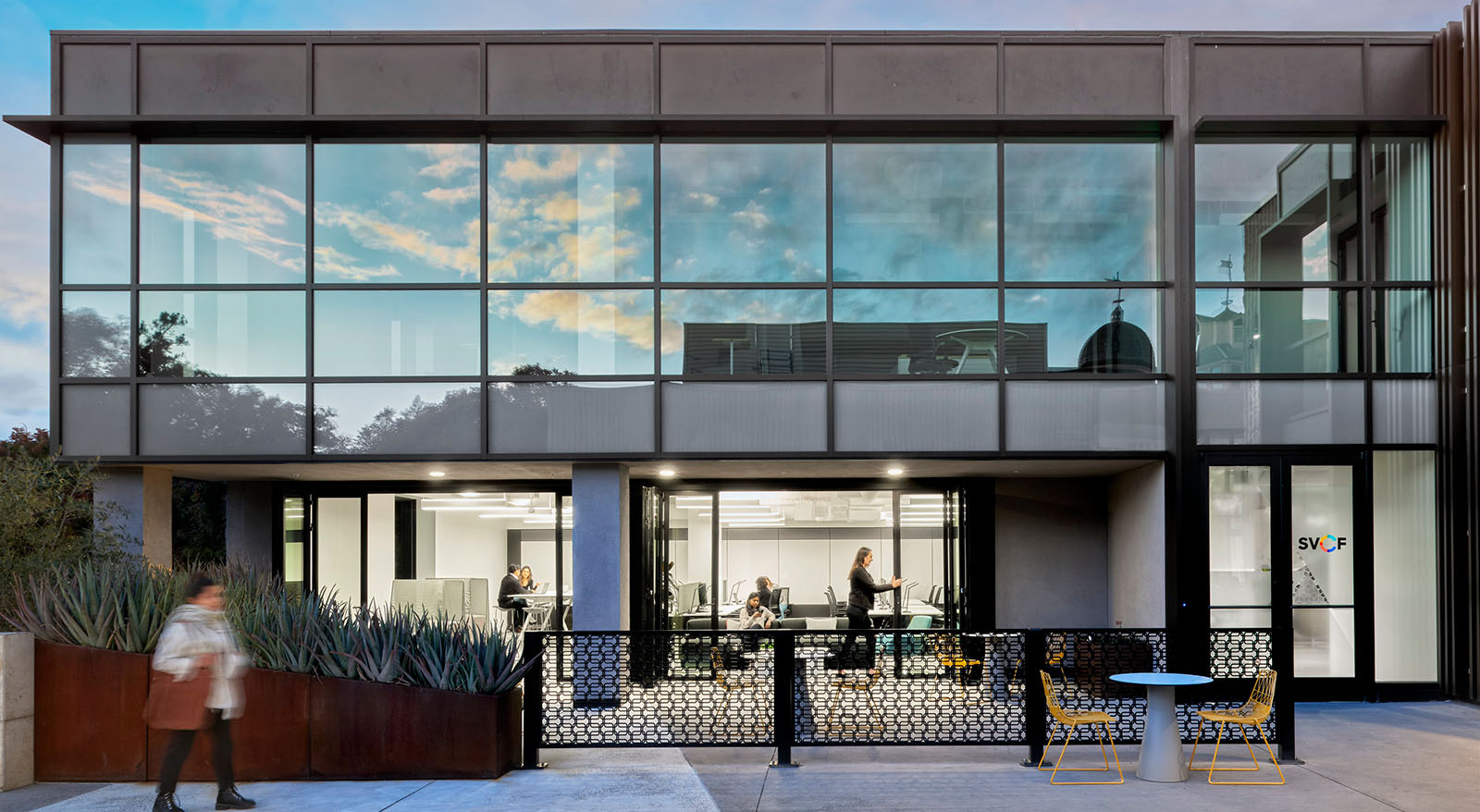
How Community Spaces Bring Neighborhoods Together
Why Community Spaces Matter
Community spaces give people places to meet, connect, and take part in neighborhood life. A library, park, community garden, recreation center, or shared public plaza can bring together people who might not otherwise cross paths. These places are more than buildings or open areas: they help create a sense of belonging.
Places to Connect
Everyday interactions can strengthen a community. Neighbors might meet at a playground, attend a class at a local center, or strike up a conversation at a farmers market. Over time, these small moments can build trust and help people feel more connected to the place where they live.
Community spaces can also host events that celebrate local culture, from art shows and performances to neighborhood meetings and seasonal gatherings. When residents have opportunities to share their traditions, skills, and ideas, the whole community benefits.
Spaces for Learning and Well-Being
Many community spaces support learning and personal growth. Libraries offer access to books, technology, and educational programs. Recreation centers can provide classes, sports, and activities for people of different ages. Gardens give residents a chance to grow food, learn about nature, and work together.
Access to welcoming outdoor spaces matters, too. Parks and public plazas can offer room to relax, exercise, play, or simply spend time outside. Having a nearby place to unwind can make daily life more enjoyable and support physical and emotional well-being.
Making Spaces Welcoming to Everyone
A successful community space should be easy to reach, comfortable to use, and welcoming to people with different needs and backgrounds. That means considering accessibility, safety, clear communication, and activities that appeal to a range of ages and interests. It also means listening to residents when planning improvements or programs.
Local participation is essential. Residents can help shape these spaces by attending public meetings, volunteering, sharing feedback, or organizing activities. Even small contributions—such as helping maintain a garden or suggesting a new class—can make a meaningful difference.
Building Stronger Neighborhoods
Community spaces do not need to be elaborate to make an impact. A well-used bench, a shared garden, or a welcoming room for neighborhood events can create opportunities for people to come together. When communities invest in places where everyone can gather, they invest in connection, creativity, and mutual support.
The strongest community spaces reflect the people who use them. By caring for these places and making them open to all, neighbors can help build a more connected and vibrant community.
6 Ways Community Spaces Strengthen Neighborhoods
- Bring neighbors together
- Encourage social connection
- Offer spaces for learning
- Support health and recreation
- Celebrate local culture
- Strengthen neighborhood pride
Six Drawbacks of Community Spaces
- Can be costly to maintain.
- May be difficult to access.
- Can become overcrowded.
- Noise may bother nearby residents.
- Vandalism can damage facilities.
- Programs may not serve everyone.
Bring neighbors together
Community spaces bring neighbors together by giving them a welcoming place to meet, talk, and take part in shared activities. Whether it’s a park, library, community garden, or local event, these spaces help people connect beyond quick greetings and get to know one another. Over time, those connections can build trust, strengthen friendships, and create a greater sense of belonging in the neighborhood.
Encourage social connection
Community spaces encourage social connection by giving neighbors welcoming places to meet, talk, and spend time together. Whether people gather at a park, library, community center, or shared garden, these everyday interactions can help build friendships, strengthen trust, and create a greater sense of belonging. Over time, familiar faces and shared experiences can make a neighborhood feel more connected and supportive.
Offer spaces for learning
Community spaces offer welcoming places to learn new skills, explore interests, and share knowledge with others. Libraries, recreation centers, community gardens, and neighborhood hubs may host classes, workshops, tutoring, and hands-on activities for people of all ages. These opportunities can make learning more accessible and affordable while helping neighbors connect, exchange ideas, and learn from one another.
Support health and recreation
Community spaces support health and recreation by giving people welcoming places to move, play, and unwind. Parks, trails, playgrounds, and recreation centers make activities like walking, sports, and fitness classes more accessible for people of different ages and abilities. They also provide room to relax outdoors and connect with neighbors, supporting both physical well-being and a sense of belonging.
Celebrate local culture
Community spaces give neighbors a place to celebrate the traditions, creativity, and stories that make their community unique. Local festivals, art exhibits, music performances, cultural gatherings, and food events help residents share their heritage and learn from one another. By bringing people together to recognize local artists, customs, and history, these spaces strengthen community pride and help ensure that diverse voices are seen and heard.
Strengthen neighborhood pride
Community spaces can strengthen neighborhood pride by giving residents a place to gather, share local traditions, and celebrate what makes their area unique. When neighbors work together to care for a park, garden, library, or community center, they build a stronger connection to the place they call home. These shared spaces also showcase local creativity and achievements, helping residents feel proud of their community and invested in its future.
Can be costly to maintain.
Community spaces can be costly to maintain. Parks, libraries, recreation centers, and shared gardens need regular cleaning, repairs, utilities, supplies, and staff or volunteers to keep them safe and welcoming. When budgets are limited, maintenance costs may compete with other community needs, and neglected spaces can become less useful over time. Planning for ongoing expenses—not just the initial cost of building or opening a space—is essential to keeping it accessible and in good condition.
May be difficult to access.
Community spaces can be difficult to access when they’re far from where people live or aren’t served by reliable public transportation. Limited hours, entry fees, a lack of wheelchair-accessible features, or inconvenient locations can also prevent people from using them. As a result, the residents who could benefit most may be left out, making it important to consider accessibility, affordability, and transportation when planning these spaces.
Can become overcrowded.
Community spaces can become overcrowded, especially during popular events or peak hours. When too many people use a park, library, or community center at once, facilities may feel noisy or uncomfortable, wait times can grow, and equipment or shared resources may be harder to access. Overcrowding can also make it difficult for staff to keep the space clean, safe, and welcoming for everyone.
Noise may bother nearby residents.
Community spaces can bring people together, but events, conversations, music, and late-night activity may create noise that bothers nearby residents. The impact can be especially difficult for people who work from home, have young children, or need quiet to rest. Clear hours, thoughtful event planning, and respectful noise limits can help community spaces serve visitors while remaining considerate of neighbors.
Vandalism can damage facilities.
Vandalism can damage community spaces, from graffiti and broken windows to damaged playground equipment and public furniture. Repairs can be costly and may take money and time away from programs or improvements that benefit residents. When facilities are damaged, people may also feel less welcome or safe using them. Regular maintenance, community involvement, and clear ways to report damage can help keep shared spaces cared for and inviting.
Programs may not serve everyone.
Community spaces can offer valuable programs, but those programs may not meet everyone’s needs. Activities might be limited by age, cost, schedule, language, accessibility, or cultural relevance, leaving some residents unable to participate or feeling unwelcome. Asking community members what they need and removing barriers can help make programs more inclusive.


-
Tagged activities, birthdays, community, downtime, events